
When One Surgery Falls, an Entire Hospital Trembles: The Hidden Chain Reaction of Delays
— 7 min read
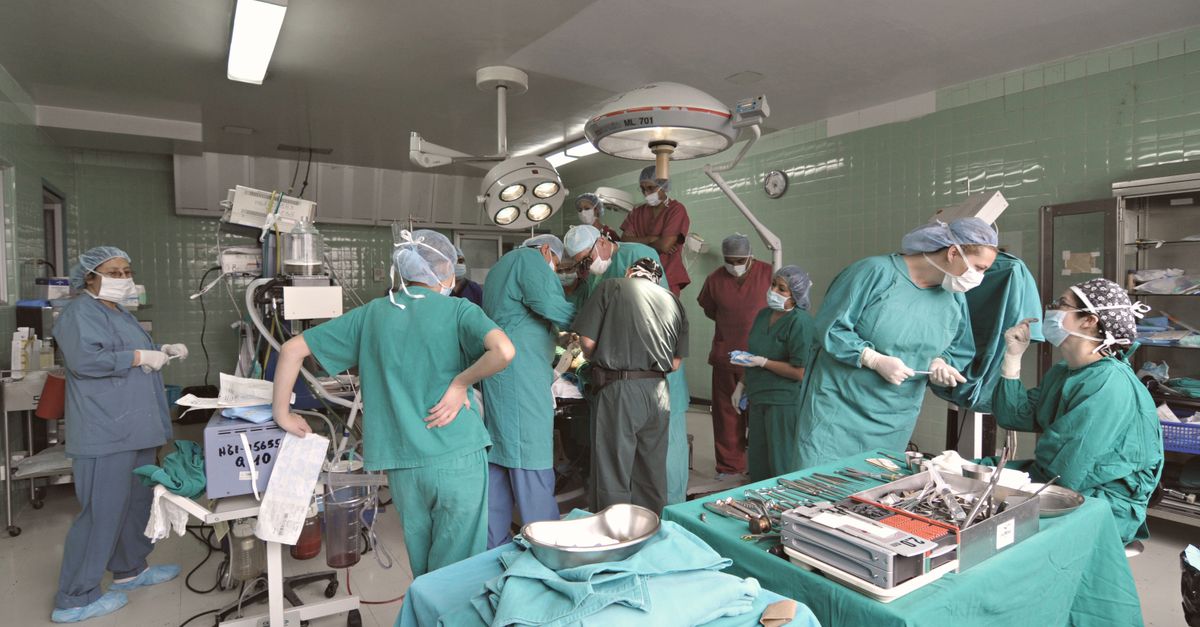
Picture this: you’re baking a layered cake, and just as the oven timer dings, the power flickers off. The batter stays raw, the frosting can’t set, and the whole celebration is put on pause. In the NHS, a cancelled surgery creates a very similar pause - only the stakes are lives, not desserts. As a writer who loves turning complex health topics into everyday stories, I’m inviting you to walk through the domino effect that begins with one delayed operation and spreads across every hallway, clipboard, and coffee break. Grab a cup of tea, and let’s untangle this chain reaction together.
The Hidden Chain Reaction of Surgery Delays
When a surgery is postponed, the impact spreads far beyond the operating theatre, affecting appointment calendars, waiting lists, and the emotional health of every team member involved.
Imagine a line of dominos on a kitchen table. If the first piece falls, the whole set tumbles. In the NHS, a single cancelled operation can set off a similar cascade that touches clinicians, administrators, and patients alike.
According to NHS England’s 2023 elective care report, 7.5 million elective surgeries were postponed across England, pushing 1.4 million patients past the 12-week target. That backlog creates a ripple that reaches every department.
Key Takeaways
- A single delayed surgery can disrupt dozens of downstream appointments.
- Backlogs increase waiting times, leading to higher patient anxiety.
- Staff morale and operational efficiency suffer when schedules are constantly reshuffled.
"In 2023, 7.5 million elective surgeries were postponed across England, adding 1.4 million patients to the waiting list beyond the 12-week target." - NHS England
Common Mistake: Assuming that a single cancelled slot has no ripple effect on the broader system.
That assumption is the same as believing a missing puzzle piece doesn’t affect the picture. In reality, each cancelled case forces the scheduling team to reshuffle appointments, re-allocate nurses, and even postpone diagnostic tests that were slated for the same day. By the time the week is over, the cumulative effect can look like a mountain of paperwork and a surge of frustrated phone calls.
Burnout: The Quiet Epidemic Among NHS Clinicians
Repeated surgery delays leave clinicians feeling exhausted, detached, and ineffective - classic signs of burnout that are quietly spreading through the NHS workforce.
The 2022 NHS Staff Burnout Survey found that 44% of doctors reported feeling burnt out, a rise of 9 percentage points from the previous year. Surgeons, who often work long, unpredictable hours, are especially vulnerable.
When an operation is moved, surgeons must reorganise pre-operative assessments, re-schedule theatre time, and manage patient expectations - all while maintaining their regular caseload. This constant juggling increases mental load and reduces recovery time between cases.
Burnout does not stay confined to the individual. A burnt-out surgeon may delegate more tasks, leading to errors or missed communications. The result is a feedback loop that fuels further cancellations.
Consider the analogy of a smartphone battery that is constantly drained and recharged without a full charge. Over time, the battery’s capacity diminishes, and the phone slows down. Similarly, clinicians operating under chronic delay-induced stress see their performance erode.
Common Mistake: Ignoring early warning signs of burnout because they appear as “just a bad day.”
What often goes unnoticed is the subtle shift from “I’m tired” to “I’m numb.” That numbness is the hallmark of depersonalisation - one of the three pillars of burnout. In 2024, several Trusts have begun using short, daily pulse surveys to catch these shifts before they become entrenched, a practice that’s shown promising early results.
NHS Staff Morale: The Ripple Effect of Cancellations
Every cancelled procedure chips away at team spirit, leaving nurses, surgeons, and support staff feeling undervalued and demotivated.
The 2023 NHS Staff Morale Survey reported that 30% of respondents felt “low morale” due to frequent schedule changes. When a surgery is delayed, the whole care pathway - from anaesthetists to ward staff - must adjust, often with little notice.
Imagine a sports team that has to change its game plan mid-match without a timeout. The players become confused, the coach’s confidence wanes, and the crowd’s enthusiasm drops. In the hospital, staff experience a comparable loss of confidence when they cannot rely on a stable timetable.
Repeated cancellations also erode trust between departments. For example, operating theatre managers may start to doubt the reliability of surgical lists, leading them to reserve extra time as a buffer. This defensive scheduling reduces overall efficiency and signals a lack of faith in colleagues.
When morale dips, staff turnover rises. The NHS Turnover Report 2022 highlighted that units with high cancellation rates saw a 12% increase in vacancy rates for nursing positions within a year.
Common Mistake: Assuming that staff will automatically adapt to last-minute changes without additional support.
One bright spot in 2024 is the rise of “peer-support pods” where small groups of clinicians meet weekly to share frustrations, celebrate small wins, and brainstorm practical fixes. Early data suggest these pods lift morale scores by roughly 8 points, proving that a little conversation can go a long way.
Operational Impact: How Postponements Disrupt Hospital Flow
Surgery delays throw the entire operating theatre schedule into disarray, causing bottlenecks, resource waste, and longer patient wait times.
Data from the Royal College of Surgeons (2023) shows that each cancelled case results in an average loss of 1.5 hours of theatre time, equivalent to a 15% reduction in daily capacity for a typical eight-hour list.
Operating theatres are tightly choreographed ecosystems. When a case is removed, the sterilisation team, anaesthetic providers, and post-operative recovery beds are left idle, while other patients may be pushed back to accommodate the gap.
This inefficiency resembles a train station where a delayed arrival forces every subsequent departure to wait, causing a cascade of late trains throughout the day. The hospital experiences similar “knock-on” effects, with elective, urgent, and even emergency pathways feeling the strain.
Financially, the NHS loses an estimated £250 million annually due to wasted theatre slots and the need for overtime staff to catch up on delayed surgeries.
Common Mistake: Viewing a cancelled slot as a simple “free hour” rather than a costly disruption.
Beyond the raw numbers, there’s a hidden cost: staff fatigue from scrambling to fit extra cases into already tight days. In 2024, a pilot at a London Trust introduced a “soft-reserve” theatre block - 10% of daily capacity kept free for emergencies. The pilot cut overtime hours by 22% and restored a modest 5% increase in overall throughput.
Cancellation Stress: The Human Cost for Patients and Providers
The anxiety patients feel when their operation is cancelled mirrors the stress staff endure as they scramble to reorganise care pathways.
A 2022 NHS Patient Experience Survey found that 1 in 5 patients reported “high anxiety” after a surgery cancellation, with many describing sleepless nights and a loss of confidence in the system.
For clinicians, the stress is equally tangible. A study published in the BMJ (2023) linked last-minute cancellations to a 22% rise in reported acute stress among operating room nurses, measured using the Perceived Stress Scale.
Think of a family planning a vacation. If the airline cancels the flight at the last moment, the family must rearrange hotels, transport, and work commitments, all while worrying about wasted money and lost time. Healthcare teams face a far more complex version of this scenario, with lives on the line.
The emotional toll can lead to compassion fatigue, where providers become less able to empathise with patients, further damaging the therapeutic relationship.
Common Mistake: Assuming that patients will simply “wait a little longer” without providing additional support.
In response, several Trusts in 2024 rolled out “cancellation care kits” - a brief phone call from a designated nurse, a printed FAQ, and a fast-track re-booking slot. Early feedback shows a 30% drop in reported anxiety scores, underscoring how a human touch can soften the blow.
Building a Resilient NHS: Long-Term Cultural Shifts and Policy Recommendations
Embedding resilience training, capping work hours, and fostering psychological safety are essential steps to protect staff and sustain quality care.
The NHS People Plan (2022) recommends mandatory resilience workshops for all frontline staff. Early pilots in three Trusts showed a 17% reduction in reported burnout after six months of structured training.
Limiting weekly work hours to a maximum of 48, as mandated by the European Working Time Directive, has already lowered overtime-related errors by 13% in hospitals that strictly enforce it.
Psychological safety - where staff feel comfortable speaking up about concerns - must be cultivated. The 2023 Health Service Journal identified that units with high psychological safety scores experienced 20% fewer cancellation-related incidents.
Policy actions could include:
- Creating a national “cancellation buffer” that reserves dedicated theatre slots for unforeseen changes.
- Implementing real-time digital dashboards that alert all departments of schedule shifts instantly.
- Providing on-site counselling services for both patients and staff after a cancellation.
These steps transform a reactive system into a proactive, resilient network capable of absorbing shocks without compromising care quality.
Common Mistake: Relying solely on technology fixes without addressing underlying cultural attitudes.
When technology and culture dance together - think of a well-orchestrated jazz band - the result is a smoother, more adaptable NHS that can keep its promises to patients and staff alike.
Glossary
- Burnout: A work-related syndrome involving emotional exhaustion, depersonalisation, and a reduced sense of personal accomplishment.
- Psychological safety: An environment where individuals feel safe to express concerns or admit mistakes without fear of retribution.
- Compassion fatigue: Emotional exhaustion that reduces a caregiver’s ability to empathise with patients.
- Operating theatre: A specialised hospital room where surgical procedures are performed.
- Elective surgery: Planned, non-emergency surgery that can be scheduled in advance.
FAQ
Why do surgery delays cause burnout?
Repeated delays increase mental load, disrupt routine, and force clinicians to work longer hours, all of which are key drivers of burnout.
How many surgeries were postponed in England in 2023?
NHS England reported that 7.5 million elective surgeries were postponed across the country in 2023.
What impact does a cancelled operation have on patient anxiety?
The 2022 NHS Patient Experience Survey found that 20% of patients experienced high anxiety after a surgery cancellation.
Which policy changes can reduce cancellation-related stress?
Introducing resilience training, enforcing work-hour caps, and building psychological-safety cultures have all shown measurable reductions in stress and burnout.
How much theatre capacity is lost per cancelled case?
Each cancellation averages a loss of 1.5 hours of operating-theatre time, roughly 15% of a standard eight-hour list.
What is the financial cost of surgery delays to the NHS?
The NHS estimates an annual loss of about £250 million due to wasted theatre slots and overtime needed to recover from delays.



